
Insight into Namibian History
- May 25, 2017
- 2 min read


As we are making our way to the Etosha National Park we stopped over at a campsite 300 kilometers from the shore of Cape Cross.
This area is known as Damaraland...Being lured by the description of the blond haired grasslands and endless praises of the rocky landscape that bursts with red/brown tones, we decided to pay a visit to the so claimed : ‘most pristine wilderness of Namibia’.


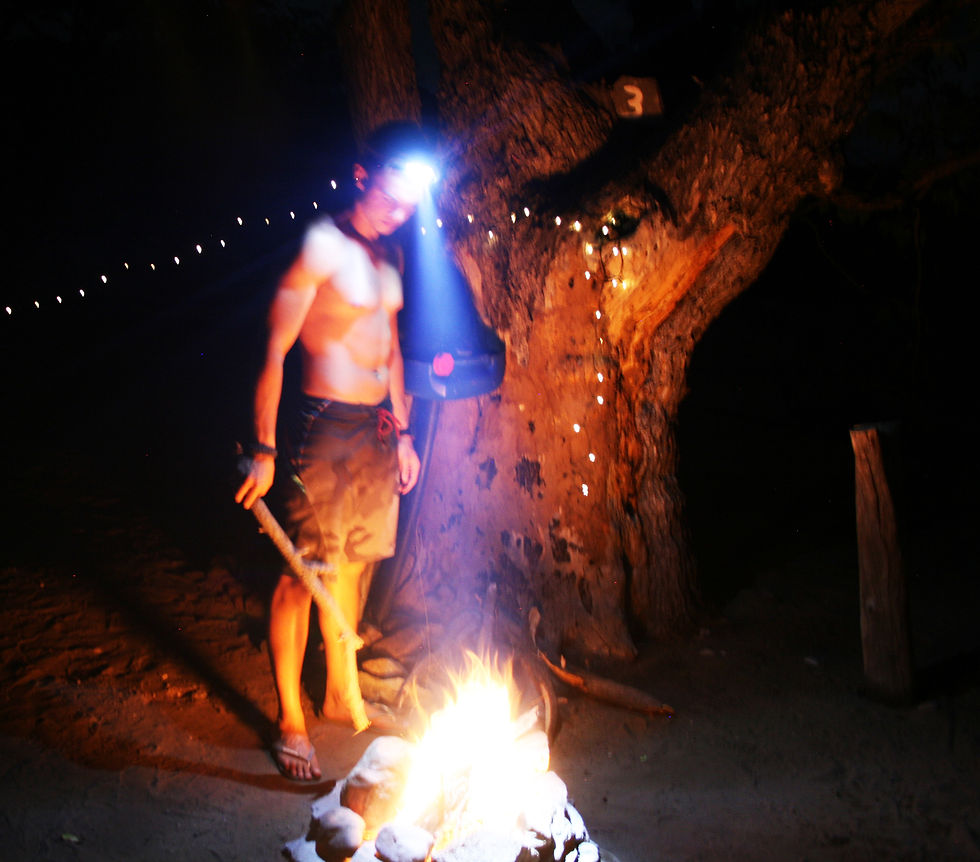
The character of our campsite was the ideal way to get in touch with nature without having to sacrifice a warm shower or bathroom facilities. I loved the outside showers that where equipped with a ‘donkey geyser’ {a water drum heated above a fire}.
This proved to be an interesting concept for fellow European campers. The sky was an evidently soothing ceiling to the bathroom, along with the embrace of a warm quite African night.



* * * * *


A thorough way to get to know a new surrounding is the combination of forming your own perception along with learning the history of the destination and its people, it felt appropriate to get to know the ancient regional African tribe of the beautiful landscape that hosted us, the Damaras. We had a special time learning about the preserved traditional lifestyle of the tribe through pride filled demonstrations, which were accompanied by explanations in the KhoiKhoi language & English.


We then visited Namibia’s first World Heritage site: Tyfelfontein, which is famous for its rock-engravings. The origin of the name comes from the farmer David Levin, who rediscovered in 1947 a spring but he was doubtful that the water amongst the rock art, would provide enough water to sustain his family and herd. Slowly becoming obsessed with his doubts about the capacity of the spring an Afrikaans-speaking friend began calling him David Twyfelfontein {David’ Doubts-the-spring}.

The meaning behind the variety of drawings really allows one to interpret a part of the life of San Bushmen.

The ‘white lady’ is another much anticipated tourist’s attraction because of the rock paintings rather than carvings.

Giraffes were carved to ask for water... because of their long necks that can almost reach into the clouds.

Desert-elephants are also inhabitants of this region. Due to the rain season the elephants where not present while we were in the area and I therefore recommend researching the correct time to ensure sightings {depending on the rainfall}.


The Brandberg is Nambia's highest mountain


Countless small donkey herds are roaming the area.


Comments